
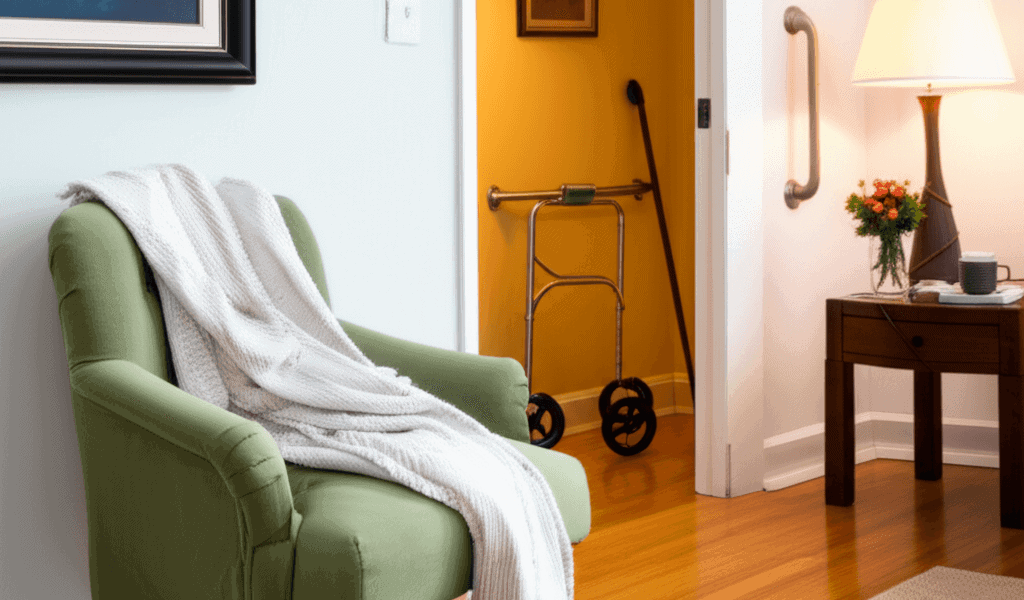
Comfort Style and Safety At Home Aging in Place Tips
On June 15, 2026 by Ronald S. WhiteYou can keep living in the home you enjoy by making smart moves that mix comfort, style, and safety. Preparing for what’s ahead or fixing up a spot for someone who has trouble moving around doesn’t mean giving up the look you love. Small changes can make everyday life easier and more enjoyable. This is a chance to learn simple hacks that keep your home looking sharp, reduce risks, and increase independence. Find out how easy tweaks can change your whole experience. Keep going to see why these tips matter.
Many homeowners want clear, actionable steps that protect health without turning a house into a medical facility. With focused planning, you can maintain a welcoming environment and reduce common hazards. For inspiration and specific remodeling ideas read our guide to aging in place.
Start with a Practical Home Assessment
Before committing to renovations, take a room by room inventory of potential problems and easy wins. Look for trip hazards, slippery surfaces, poor lighting, and furniture that makes movement awkward. Involve the person who will live in the space in this review. Their daily routines will reveal priorities that may not be obvious to others.
Prioritize fixes that reduce falls and simplify tasks. A basic checklist helps set realistic goals and budgets. Consider these criteria when evaluating each area
- Frequency of use and the consequences of a fall in that location
- Difficulty of access to essentials like water, medications, and clothing
- Visual and physical clutter that increases risk or slows movement
- Potential to improve comfort without major construction
Thoughtful Layout Changes that Improve Flow
Open pathways and clear sightlines make a home feel safer and more inviting. Removing unnecessary small tables, rugs, and low-profile furniture can prevent trips and create space for mobility devices if they become necessary later.
- Create consistent walking routes between kitchen, living area, and bedroom
- Arrange seating to allow easy standing and sitting with supportive armrests
- Choose furniture with stable bases that do not wobble
When planning larger changes like widening doorways or converting a closet to a half bath, think ahead about resale and multiuse design. Many of these projects increase comfort for all ages without looking clinical.
Safe Stylish Bathrooms with Real Improvements
Bathrooms are high risk areas. A few targeted updates can reduce hazards while keeping a modern look. Replace small rugs with non slip mats and choose grab bars that match your decor in finish and shape for a cohesive appearance.
Shower and Tub Options
Walk in showers with low thresholds reduce steps and are easier to enter and exit than traditional tubs. If a full conversion is not possible, a walk in tub or grab bar installation combined with a handheld shower head provides a major improvement.
Toilet and Sink Considerations
Raised toilet seats or a comfort height toilet reduce strain on knees and hips. Consider lever style faucets that require less grip force. Under sink clearance for a seated user is another thoughtful touch that keeps the space usable for a longer span of life.
Kitchen Tips for Safer Daily Living
Keeping the kitchen functional and reachable makes cooking safer and keeps routines intact. Focus on layout and storage that reduce bending and reaching. Pull out shelves, drawer organizers, and wall mounted rails for commonly used items cut down on awkward movements.
- Place frequently used items between waist and shoulder height
- Consider a side opening oven for easier access to trays
- Install a stovetop with front controls to prevent reaching across hot surfaces
Good task lighting over counters and a stable step stool with a wide base are cost effective improvements. These changes reduce fatigue and lower the chance of spills and burns.
Floors and Surfaces that Reduce Risk and Look Great
Flooring contributes to both safety and room aesthetics. Replace glossy tile with matte finishes that offer more traction. Consider luxury vinyl plank or textured ceramic which balance durability and slip resistance while maintaining pleasing style.
- Avoid high pile rugs that catch toes and wheels
- Use transition strips to level floor height changes
- Choose consistent flooring in long pathways to prevent missteps
When selecting finishes, think about sound reduction as well. Softer materials reduce echo and create a more comfortable auditory environment for conversation and hearing devices.
Lighting and Simple Technology to Improve Daily Life
Proper lighting can prevent falls and reduce eye strain. Layer lighting with general ambient fixtures, task lighting for workspaces, and night path lights for overnight safety. Motion activated night lights in hallways and bathrooms provide illumination when needed without fumbling for switches.
- Install brighter bulbs in task zones and warmer bulbs in living areas
- Use dimmers to adjust light levels for different activities
- Place switches at consistent, reachable heights near doorways
Simple modern devices such as video door viewers and voice enabled speakers can make daily tasks easier. When adding any device, focus on ease of use and clear labeling for anyone who will use it regularly.
Health, Social Connection and Ongoing Maintenance
Living well at home includes attention to health and social needs. Regular check ups, medication reviews with a pharmacist, and a predictable schedule help reduce health related incidents. Social contact has measurable benefits for cognition and mood so create regular visits or phone check ins.
Maintenance is part of safety. A reliable plan for seasonal tasks like gutter cleaning, changing furnace filters, and checking smoke detectors reduces the chance of emergencies. Keep a list of trusted local tradespeople for plumbing and electrical work to prevent risky DIY projects.
Design Choices that Combine Comfort and Style
Style does not need to be sacrificed for safety. Choose finishes and fixtures that mirror contemporary trends while meeting functional needs. Warm wood tones, textured fabrics, and classic hardware create a homey feel. Pick neutral palettes that allow flexibility as needs change.
- Select furniture with attractive but sturdy fabrics that resist staining
- Use layered textiles for comfort and easy washing
- Include personal elements like family photos and favorite art to keep the space emotionally supportive
Accessibility elements can be integrated subtly. For example a brass grab bar that matches towel racks blends utility and design. A bench in the entry makes putting on shoes easier and looks like an intentional furnishing choice.
To summarize, small changes in layout, finishes, and fixtures provide large benefits. Data shows most older adults prefer to stay in their homes when possible so making intentional improvements now pays off in safety and quality of life. Plan increments of work so upgrades can be completed over time according to budget and priority.
When you are ready to start, prioritize lighting, bathroom safety, floor transitions, and reachable storage. Engage family members and professionals for complex projects and keep the person who will live in the space involved in every decision. This keeps the process respectful and produces outcomes people will actually use.
Conclusion
Creating a safe comfortable home that reflects personal taste is entirely achievable with practical planning and thoughtful choices. Addressing the most hazardous areas first and then layering improvements allows homeowners to stay in a familiar setting longer while reducing daily risks. From simple swaps like non slip mats and lever faucets to larger projects like walk in showers and wider doors, each step increases independence and comfort. Remember that social contact, routine maintenance, and clear pathways are just as important as fixtures and finishes. If you are unsure where to start, take a single room and make three changes that improve safety and daily function. Test those changes for a few weeks and adjust before moving on. That method keeps costs manageable and produces measurable benefits. Ready to make your home a safer more comfortable place to live long term Try a small update this month and plan the next one based on what worked well.
Advertisement

Advertisement

Sponsor
