
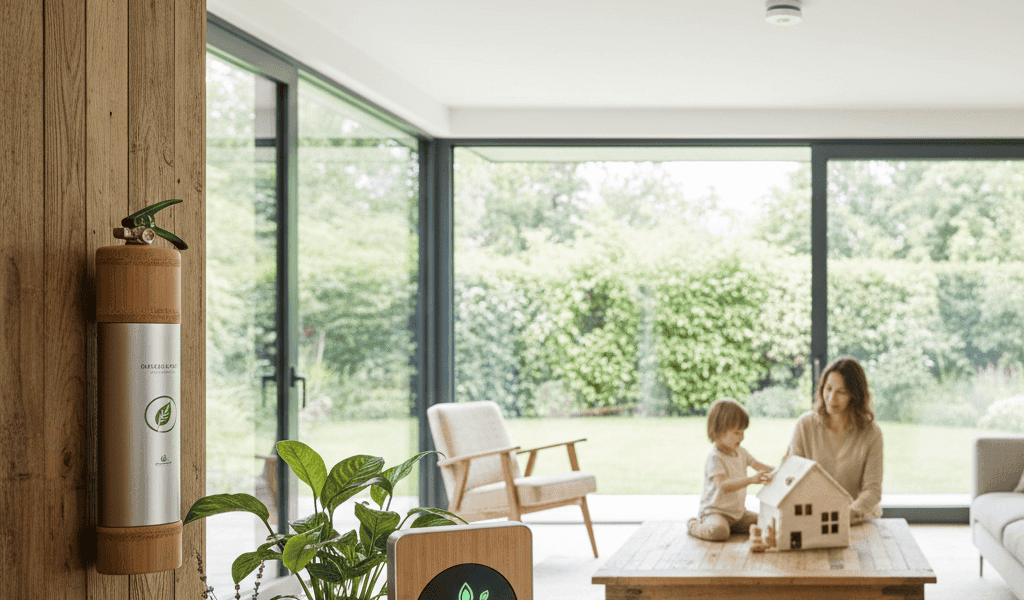
Can Your Home Safety Be More Eco Conscious
On June 28, 2026 by Ronald S. WhiteMany homeowners think safety and low impact living are separate goals. In truth small choices at home can reduce harm to people and the planet at the same time. This article walks through practical ways to make safety more eco conscious while keeping the levels of protection families expect.
Expect hands on tips for everyday spaces and product choices that lower toxic load, cut waste, and maintain strong protection against common hazards. You will find examples that fit tight budgets and options for those ready to invest in longer lasting solutions.
Small changes that make a meaningful difference for home safety and the environment
Start with visible, low cost swaps that target common risks. Swapping harsh cleaners for plant based alternatives can reduce indoor air irritation and lower chemical runoff to local waterways. Replacing single use items with reusable versions cuts landfill volume and removes tripping or choking hazards associated with packaging left around the home.
- Switch to glass spray bottles and refill concentrates for cleaning
- Use LED bulbs with a long rated life in key lamps and fixtures
- Choose non slip mats that are made from recycled materials
These moves also often save money over time. When you pick products that last longer and carry fewer toxins you reduce the chance of accidental exposure and lower the frequency of replacements.
Energy friendly safety devices that protect people and reduce waste
Safety devices often run on batteries or electricity and many models throw away parts quickly when they fail. Look for options built with replaceable components and clear repair paths. Devices that use low power while still meeting performance standards keep utility use down and reduce battery consumption.
- Hard wired smoke alarms with battery backup avoid frequent battery changes
- Fire extinguishers with rechargeable cylinders cut single use disposal
- Smart power strips that cut phantom load extend the life of appliances
When shopping for safety electronics check the manufacturer warranty and the availability of replacement parts. A five year warranty and easy access to batteries or sensors can dramatically lower long term waste and reduce the need to throw out otherwise functional units.
Non toxic materials for safer indoor environments
Indoor air quality is a critical safety factor that receives less attention than it should. Many building materials and furnishings emit volatile substances for months after installation. Choosing low emission materials lowers risk for allergy flare ups and respiratory irritation while keeping indoor air healthier for children and older adults.
Flooring and paint choices
When replacing flooring consider options with low volatile organic compound emission ratings. Natural linoleum, responsibly sourced cork, and some reclaimed hardwoods offer lower emissions compared to vinyl and particle board. For walls pick paints labeled low VOC or no VOC and verify that the product has third party testing for indoor air performance.
Bedding and soft goods
Textiles treated with flame retardants can carry chemical risks. Select bedding and upholstery that use physical barriers or naturally fire resistant fibers rather than chemical additives. Organic cotton and wool products tend to have lower chemical load and often come with clear labeling about treatments used.
Fire and carbon monoxide protection with reduced environmental impact
Fire and carbon monoxide detectors are non negotiable for safety. Choose units with recyclable components and long life batteries. Some detectors now use sealed lithium batteries rated for 10 years. Those sealed units cut battery waste while maintaining continuous protection.
- Install interconnected smoke alarms so all devices sound when one senses danger
- Place carbon monoxide detectors near sleeping areas and on each floor
- Keep flammable materials away from heat sources and inspect chimneys and vents yearly
For homes with gas appliances regular maintenance lowers the chance of leaks. Many service programs offer return and recycling of old parts to reduce metal waste and ensure safe disposal of hazardous components.
Water safety and conservation that protect health and resources
Water safety has two sides. One is preventing contamination and the other is conserving supply to limit pressure on treatment systems and local ecosystems. Simple upgrades often provide both types of benefits.
- Install faucet aerators to reduce flow while maintaining usable pressure
- Choose water heaters with good insulation to lower standby energy loss
- Replace lead bearing fixtures with certified lead free fittings
Regular testing for contaminants like lead and bacteria is a low cost step that protects vulnerable household members. When filters are used select models with replaceable cartridges and follow manufacturer guidance for disposal and recycling.
Everyday products and routines that cut waste and reduce risk
Routines shape risk as much as specific products. Food preparation, chemical storage, and how clutter is managed influence injury rates and exposure levels. Simple habit shifts can lower hazards across the home.
- Store cleaners and medicines up high in labeled containers using child resistant closures
- Implement a weekly declutter habit to remove tripping hazards and reduce pest attractants
- Use reusable shopping bags to avoid torn plastic that can become choking risks for pets and small children
Buy in quantities that match your usage to avoid expired or degraded products taking up space. When a product reaches end of life check for take back programs that accept it for proper recycling rather than sending it to landfill.
How to choose trustworthy products and labels
Green claims are common so look for reliable signals of low impact and high safety. Third party certifications and transparent ingredient lists give a clearer picture than buzzwords. When you read a label check the test methods and the scope of the claim.
- Third party seals from recognized organizations indicate independent testing
- Clear ingredient or material lists help you avoid unwanted chemicals
- Manufacturer repair policies show that a product was designed to last
If you want a guided starting point for replacements and upgrades consult curated lists from consumer safety groups and product reviewers focused on low impact options. For readers ready to see specific product recommendations one useful resource outlines a range of eco safe picks and practical buying tips at this page on green safety solutions
Budget friendly moves and when to invest more
Not every improvement needs a large budget. Many changes are inexpensive and still meaningful. For example replacing incandescent bulbs with long life LEDs reduces heat and lowers replacement frequency while improving visibility around stairs and entryways. Moving on to bigger investments like a heat pump water heater makes sense when you plan to stay in the home longer and want durable, lower cost operation over many years.
- Prioritize low cost, high impact items first like lighting and smoke detection
- Track running costs for major systems to calculate payback time for higher upfront purchases
- Consider second hand items that meet safety standards to lower embodied waste
When buying used check for recalls and verify that the item functions correctly. For some items like car seats and certain helmets new purchases are safer due to wear and unseen damage that can degrade protection.
Moving toward an eco conscious home safety approach is a matter of steps taken consistently. Start with room by room checks and a short list of affordable swaps. Over time add longer lasting upgrades that match your household needs.
Conclusion
Making your home safer and less harmful to the environment is a practical path with many entry points. You can begin with low cost swaps that reduce chemical exposure and waste. From there prioritize safety devices that are designed for long life and repair. Choose materials that limit emissions and lower health risks. Pay attention to water and energy use to cut resource strain and reduce hidden hazards. Use labels and third party checks to avoid greenwashing and to pick items that will last rather than be discarded quickly.
Implement one change this week. Test smoke and carbon monoxide detectors and replace old batteries with long life options if needed. Swap one cleaning product for a plant based concentrate and start a simple declutter routine in the busiest room. If you want reliable product ideas and steps for a larger plan review dedicated resources that list eco minded safety items and practical buying guidance. Taking these actions protects the people you care for while reducing your household impact on the planet. Act now and build these habits into your weekly routine so safe, low impact living becomes the new normal.
Advertisement

Advertisement

Sponsor
